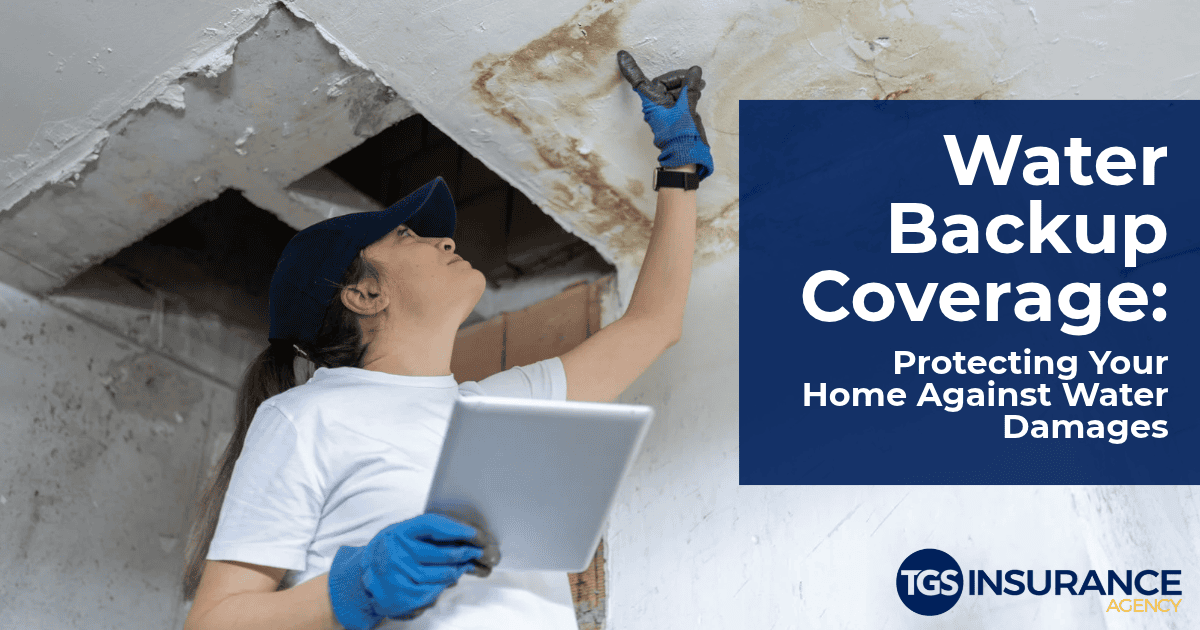
Water backup can happen when a gutter, drain, or sewer backs up, or when a sump pump stops working, leading water into your home. Accidents caused by water backup can be a nightmare for homeowners and expenses pile up quick. Sitting idly on these issues isn’t an option, unfortunately. Time is of the essence to avoid even more damages and repairs! Water backup coverage is one of the most common endorsements you can add to your homeowners insurance policy. This type of endorsement can save you thousands in repairs in the long run.
What Is Water Backup Coverage?
Water backup coverage is an optional add-on to your homeowners insurance policy that helps you financially cover the repairs from water backing up into your home. These repairs are not usually covered by your standard homeowners insurance policy. Certain types of water damage are covered as long as it’s deemed accidental, sudden, or stemmed on the insured property. For example, a broken pipe or water brought in by a rainstorm through a hole in your roof would be covered. However, things like flooding or water backed up through drains, sewers, or sump pumps are not included in your standard policy. This is why water backup coverage is so important.
Water backup coverage offers protection for any damage to your home caused by a blocked sewer line, a broken sump pump, or clogged drain. This coverage can also include mold damages caused by water or sewer backup. This policy endorsement would cover the costs of replacing your appliances and furniture. Additionally, it covers the removal of the water by a professional when unexpected backup does occur.
What Does a Water Backup Policy Not Cover?
While water backup insurance offers coverage for gaps in your homeowners insurance policy, it’s important to note that there are some exclusions:
- Broken Sump Pump: Water backup insurance will not cover the cost to repair or replace a broken sump pump. Equipment breakdown coverage, an endorsement you can add to your home insurance policy, can cover of these costs.
- Maintenance Issues or Neglect: If water backs up as a result of poor or lack of maintenance and causes damages to your home or personal property, water backup insurance will not cover it.
- Flooding: One of the perils, or causes of loss or damages, that water backup insurance or a standard homeowners policy does not cover is flooding. To protect your home and belongings in the event of a flood, you need a separate flood insurance policy.
- Service Lines: Similar to flood insurance, there is a separate type of coverage for service lines. Water backup coverage will cover damages to the inside of your home. However, it does not cover the cost to repair or replace the service line itself. This is where service line coverage comes in.
- Burst or Broken Pipes: An abruptly burst or broken pipe is already covered by a standard homeowners or renters insurance policy, as long as it is sudden and accidental. Therefore, you don’t need water backup coverage to cover this.
Does Home Insurance Include Water Backup Coverage?
A standard homeowners insurance policy doesn’t typically cover your home for water backup damage. But you can add this optional type of coverage to help bridge the gaps in your standard policy.
The average cost for water backup coverage ranges from around $30 to $210 a year, according to the Real Cost Report. Options for coverage limits can start at $5,000 and go up to the full replacement cost of your home. The specific cost for a water backup policy for your home is going to vary depending on multiple factors, such as the location of your home and the coverage limit you choose. To get an estimate, call your insurance agent and request a quote. Our agents here at TGS Insurance are ready to help guide you through your water backup coverage options!
Do I Need Water Backup Insurance?
Everyone could benefit from water backup coverage. When you think about your home, water surrounds the structure of your house. This could be in pipes or underground. Water damage is one of the most common home insurance claims, coming in at the second most frequent, according to the US News & World Report. Claims resulting from water damage make up around 1.7% of all claims filed annually. Water damage claims are second only to wind and hail, which make up 2.9% of all annual filed claims. Fire and lightning claims follow them at number three.
It’s important to remember that your home insurance police does not include water backup coverage, but it is an optional add-on. However, because these types of accidents happen so often, adding this type of coverage to your home insurance policy can be incredibly beneficial in the long run.
What Causes Water Backup?
Water backup is a fairly common occurrence, and can happen for a variety of reasons:
- Blockages: Clogged pipes due to too much toilet paper, hair build-up, soap scum, grease, or flushing of non-flushable items, is the most common way water backup occurs.
- Aging Sewer Systems: Sometimes, the age of a pipe can affect water backup. If a pipe is more than 30 years old, for example, it has accumulated decades of normal wear and tear, causing it to be weaker. This can affect the functionality of the pipe, and backup can accrue over time.
- Tree Roots: A less-common seen cause of water backup is tree roots. These roots can occasionally grow in between tiny cracks in underground pipes. This causes them to expand, and then trap debris and paper.
- System Failure: If a drain, sewer, or gutter backs up, or a pump fails, water could force itself into your home, causing water backup.
How To Avoid Water Backup Damage
While accidents do happen, there are still some things you can do to help avoid water backup damage:
- Maintain Downspouts and Gutters: Keep your downspouts and gutters clear of leaves and debris. Downspouts should be at least ten feet away from your home. During rainstorms, check your gutters’ capacity after 15 minutes. If it’s overflowing, it might be a good idea to install additional downspouts.
- Adjust Landscaping and Irrigation: Ensure you adjust your landscaping and irrigation to where water flows away from your home.
- Keep Sump Pumps Up-to-Date: Use a sump pump that has a battery backup as well as replacement warnings. This can help prevent backup by preemptively avoiding maintenance issues while also draining subsurface groundwater. Run your sump pump every few months, and clean it annually before the rainy season, which typically begins in March.
- Prevent Backflow: Installing backflow valves and standpipes near sinks and toilets can help prevent the backflow of sewage water.
- Optimize Your Basement: If you have a basement, it might be good to consider raising your personal property. Things such as your washer, dryer, water heater, furnace, electrical wiring, should sit above typical water backup levels.
While backup can happen to anyone at any time, it’s a good idea to take preventative measures to help avoid any damages the best you can.
Prepare for Anything With TGS Insurance
Water backup damage is unpredictable and inconvenient, and can cause serious damages and costs. Knowing how to prevent water backup and understanding your options on different coverages available is very important, and can end up saving you thousands of dollars in the long run. Our team members here at TGS Insurance are ready to help you learn more about water backup insurance and how you can save on damages and money in the future. We shop from over 60 different top-rated carriers to find you the best coverage at the best price. For peace of mind in every situation, give one of our agents a call today!